Hi everyone, in my last few posts I’ve written about how to prep and paint miniatures, but I realized I left out one part of the process: how to figure out what colour and paint scheme to use when you finally take the brush to them. After mulling the process over, here is what I’ve come up with…
Regardless of whether you collect sci-fi armies like Warhammer 40 000, Star Wars Legions and the new Halo miniature game, fantasy minis for Lord of the Rings and Dungeons and Dragons, or historical games like Clash of Spears, Test of Honour, and Bolt Action, there are resources you can turn to if you find yourself bereft of inspiration. For fictional worlds, there is often a wide range of sources to draw from, including rule books and various other supplemental resources they release. For wistorical gaming, you can always dig deeper into the historical and archeological records for ideas. What follows are some of my thoughts on how this wide range of resources sometimes inspires me when it comes to painting.
Fictional Worlds and Canon
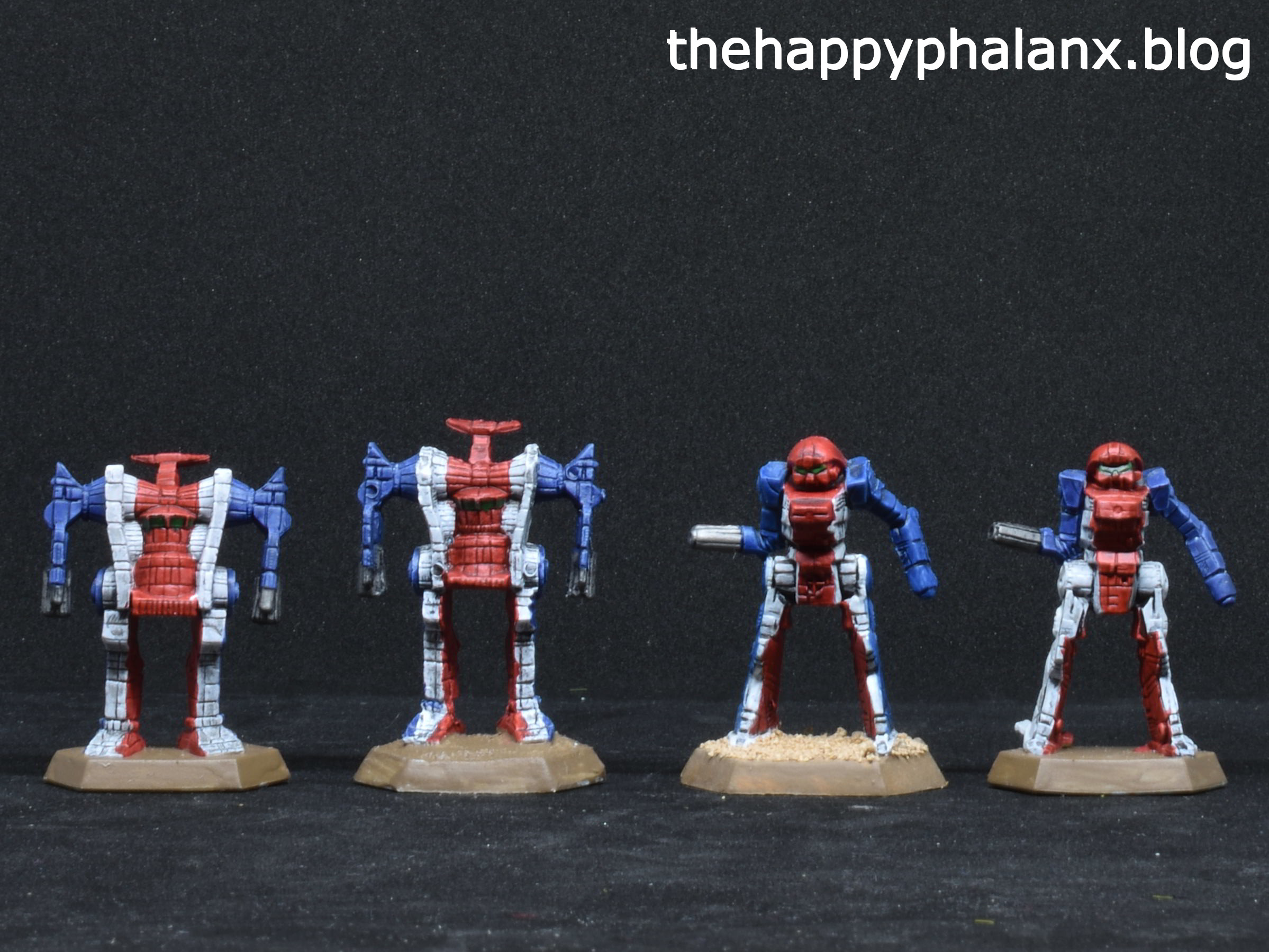
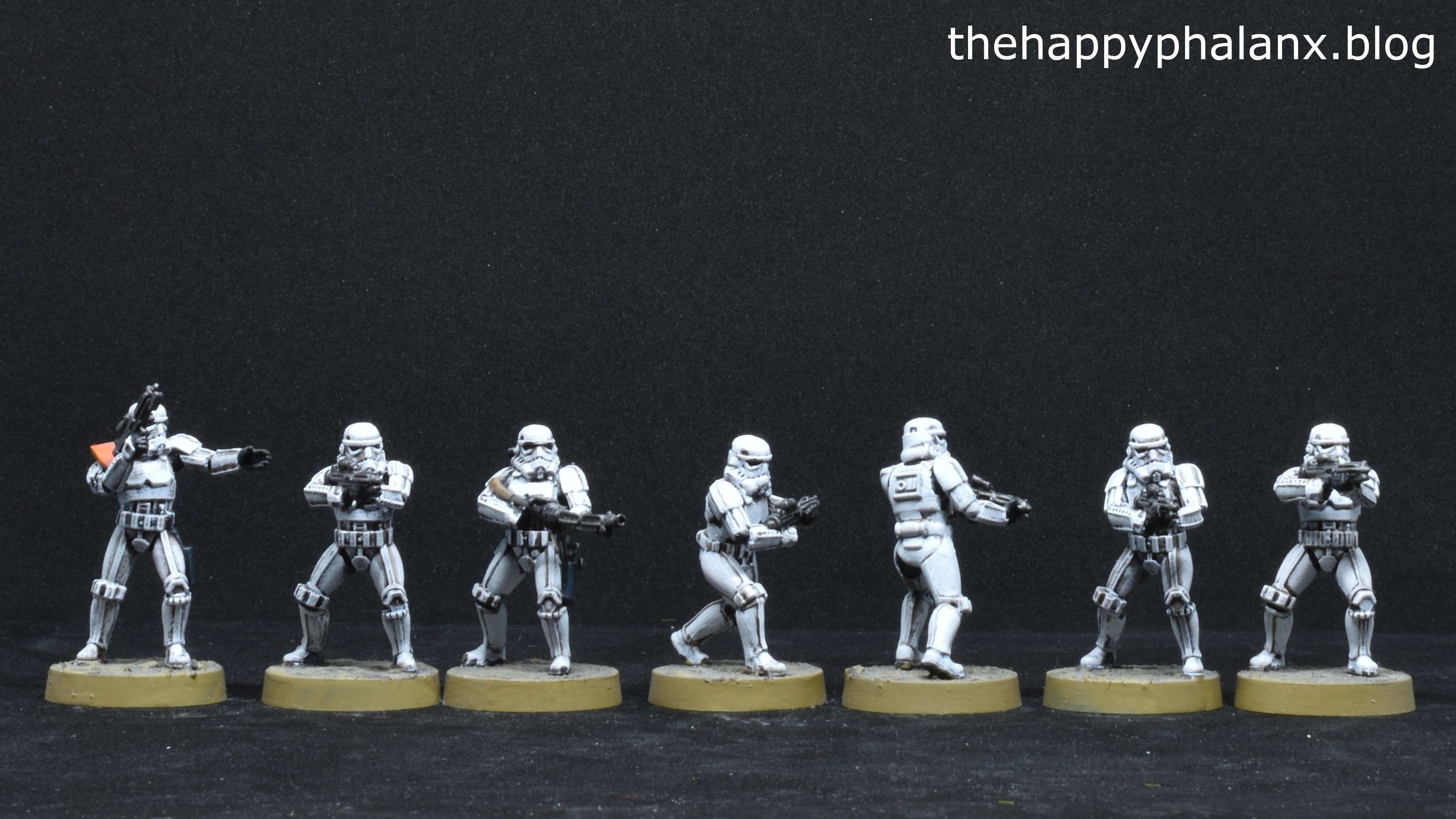
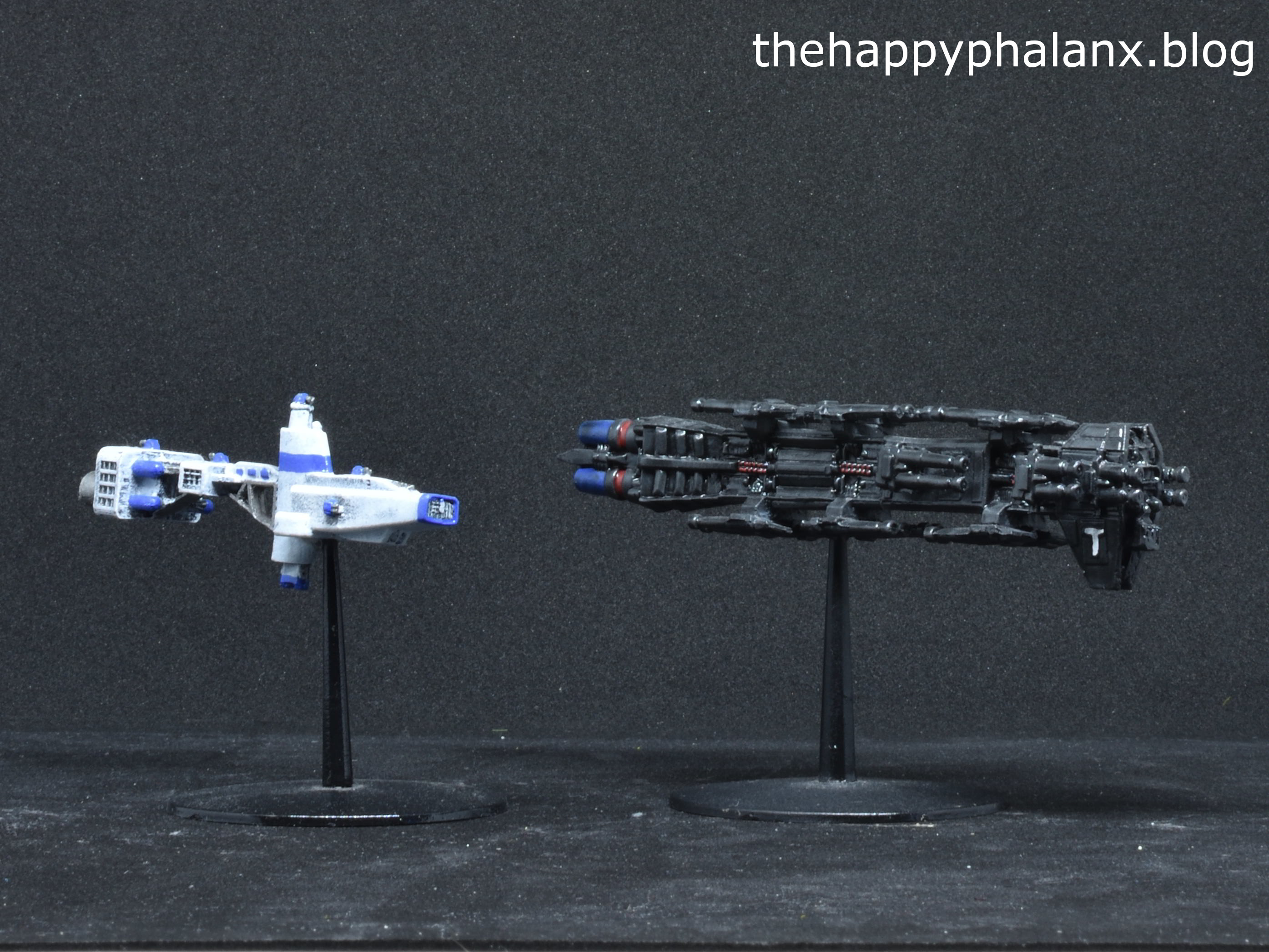
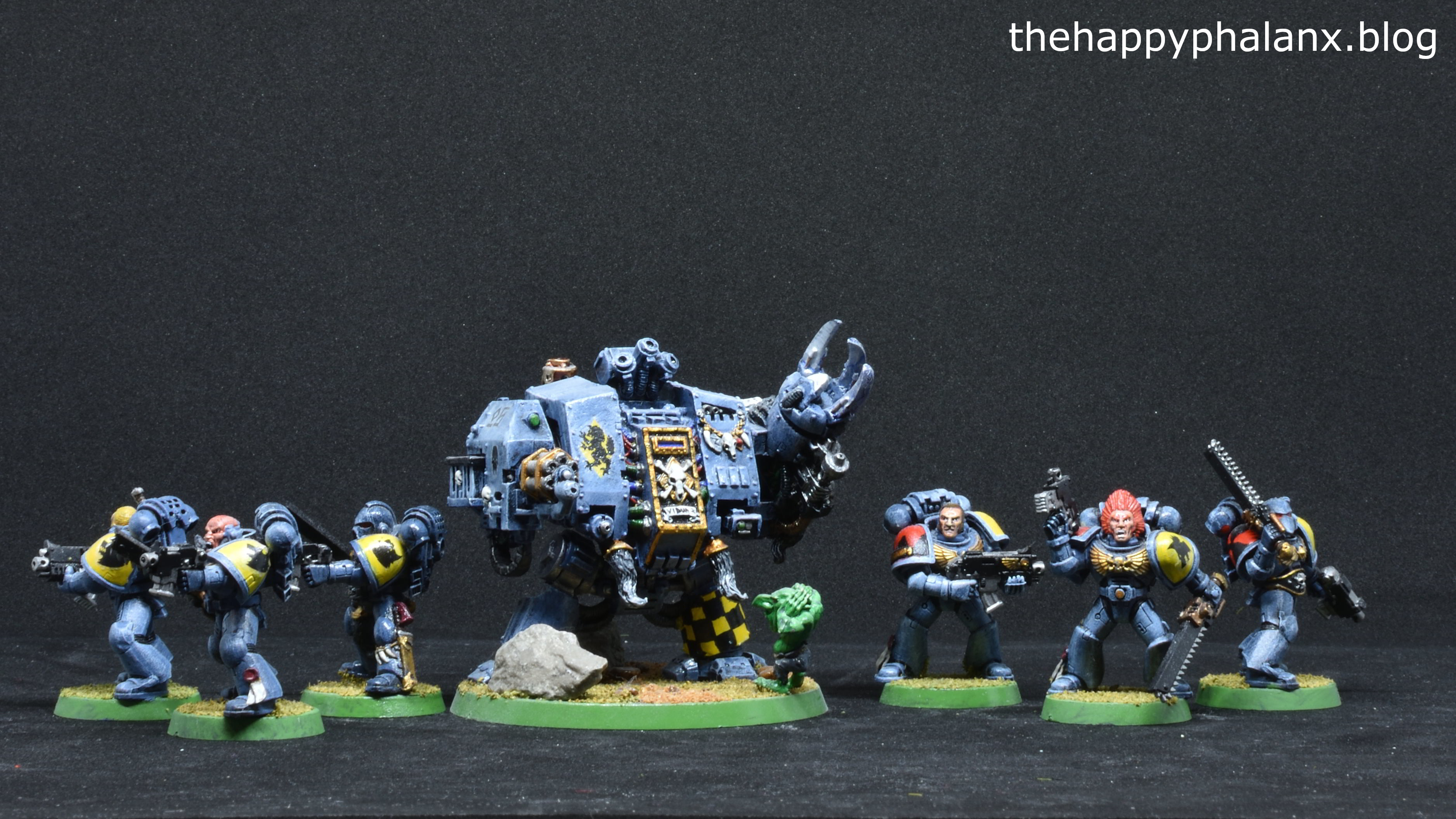
Fantasy and science fiction have exploded in popularity over the past 40 or fifty years in this hobby. Many popular franchises have either gotten their starts as miniature games, or branched out into them. Although you are always free to paint your miniatures any way you want, many of these franchises have developed their own canon, a set of rules governing colours and paint schemes for the various factions and creatures in their worlds. Hence, everyone knows that Star Wars‘ stormtoopers should be painted white, Luke’s lightsaber should be blue or green, and Darth Vader should be painted black, not mauve with pink highlights!
When brainstorming paint schemes, there are a wealth of books and painting guides available online and in print. By looking through these, you can find dozens of ideas for how to paint most almost any miniature you want. Canon paint schemes can also be found by simply watching the shows or movies the miniatures are based on. When painting miniatures for a miniature game based on Robotech, I rewatched the series while painting them, just so I could reference the various miniatures as I went along. I did a similar thing while painting up figures Thorin’s Company from The Hobbit.
This is not to say that when painting figures from well established franchises that you must follow the established canon, but it does provide a starting point if you don’t know where to get start. The other advantage of following established paint schemes is that they give you a chance to hone your skills and get some practice with painting until you feel comfortable branching out in your own direction.
Historical Sources
For the last two years or so, I have become interested in historical wargaming, first through Test of Honour, a samurai skirmish game, and then into the classical era of the Mediterranean. At first, painted my minis in an uniform paint scheme, mistakenly assuming that all historical armies, regardless of the period, would have used some form of uniforms. Once I started looking into historical paint schemes, I realized just how wrong I was!
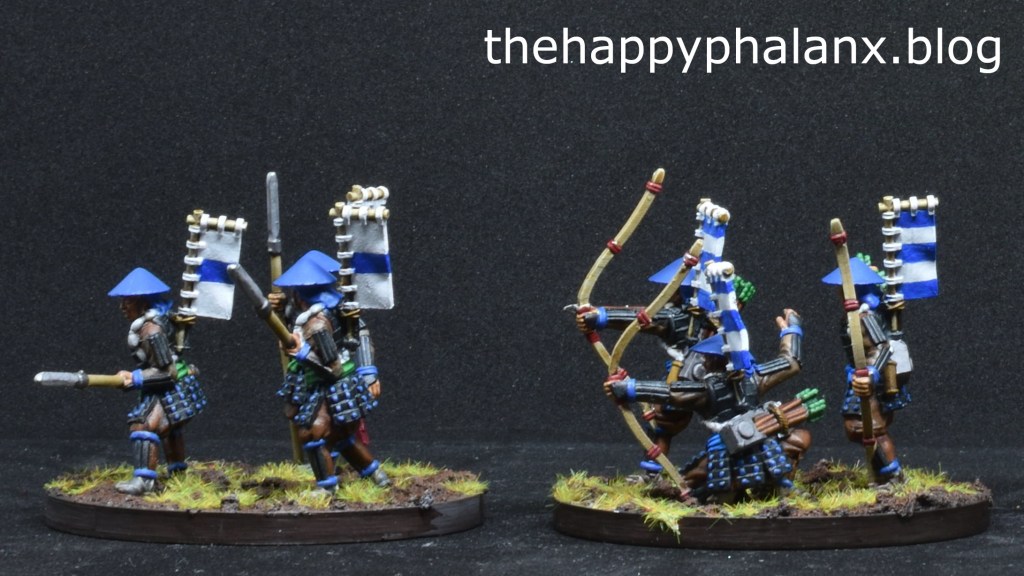
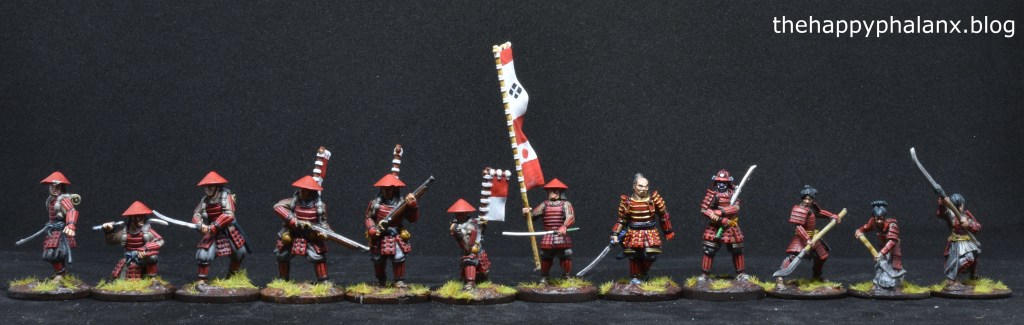
When I started reading about the Sengoku period of Japanese history, I learned that, for the most part, there were no uniformed colour or paint schemes for the samurai and ashigura infantry! Instead, they would often rely on the banners worn on their backs to identify them. The only account I could find in my, admittedly limited, research into a samurai army in a uniform colour was the Takedo Clan. The Takedo Clan was wealthy enough to equip their frontline troops with blood red armour, and I imagine they would have been terrifying to see them charging at you!
This did raise an interesting problem for me. I absolutely love history, and usually want to try and paint my minis in historically accurate ways, for the most part. However, painting my samurai in multiple, unique schemes would result in a force that could prove problematic in actually playing games. This is because it helps to be easily able to recognize both your troops and your opponents on the table. That meant that I had to try and decide just how historically accurate I wanted to be. My solution was to start collecting a force based on Clan Takeda, so I could use a standard red paint scheme on all them!
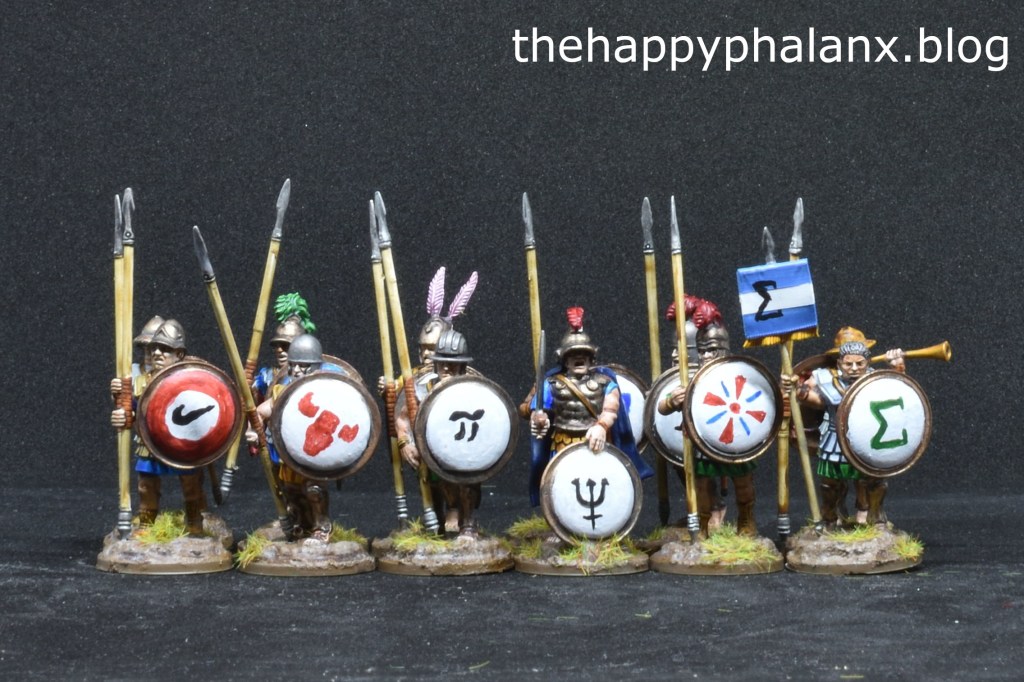
In other cases though, you have a lot more freedom when painting your historical minis. During my readings, I became intrigued by the Greek city-state of Syracuse on Sicily. I was especially surprised when I read that they had fought several battles against Carthage, and at one point launched an invasion against Carthage on their own turf! Seeing as the hoplite armies were made up of citizen-soldiers who all provided their own equipment, it allowed a lot more variety when I painted them up. Their shield, called an aspis, allowed me many options to make each hoplite unique. Although the city states often used the first letter of their city on their shields, there was a lot of freedom. I must admit to amusing myself by painting the symbol for “pi” on one shield, and the Nike swoosh (Nike originally being the name of the Greek Goddess of Victory) on another!
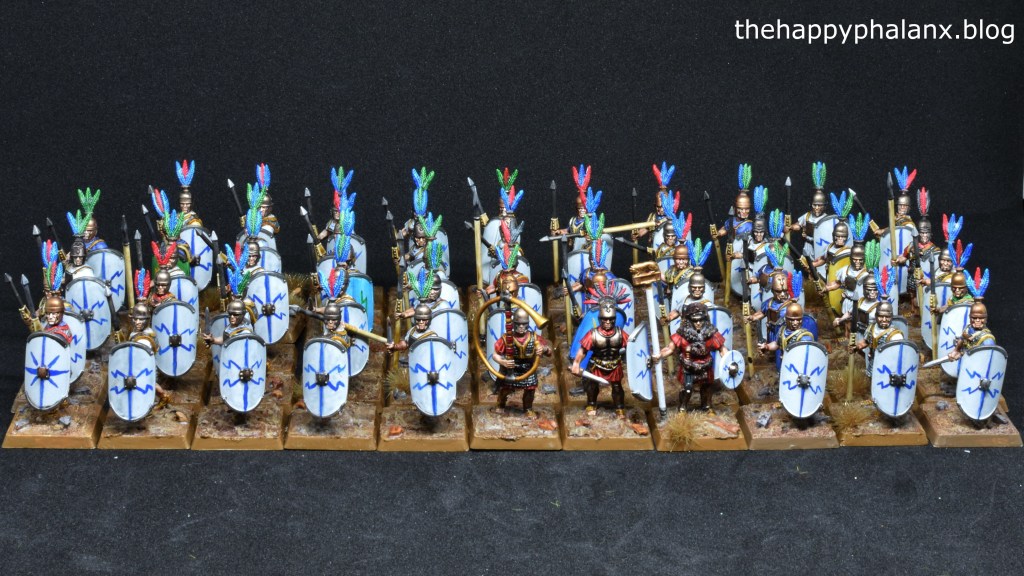
There is also something to be said for painting the minis in a uniformed style though, they can look quite impressive in large numbers! When it came time to paint some Republican Roman Legionaries, (I chose the time of the Second Punic War, about 218 – 201 BCE) I spent a lot of time trying to determine how to paint their shields. At this point in Roman history, the Roman Legions could probably best be described as a semi-professional army. I was trying to determine whether they would all share the same shield design, as the Imperial Roman Legions did several hundred years later, or if they were more individual designs like the Greek hoplites. Eventually, I came across a passage including a quote from a Carthaginian general recognizing the Romans had been reinforced because he didn’t recognize their shield designs. That meant to me that the Republican Legions must of used a common shield design!
But shield saga doesn’t end there. I wanted to be able to have my blocks of Romans look at least a little unique, so after pondering the situation, developed a solution for it. I decided when painting my legion, that some of the legionaries chose not to repaint their shields. Since the Romans could be called up several times and serve in several different legions, I decided that some of them kept their old shields for various reasons. I have no idea if this ever happened, but it seemed a least plausible to me. In this way I felt I was able to stay mostly true to the historical evidence we have, while at the same time creating a tabletop force that was uniquely mine.
But Whatever You Decide, Have Fun!
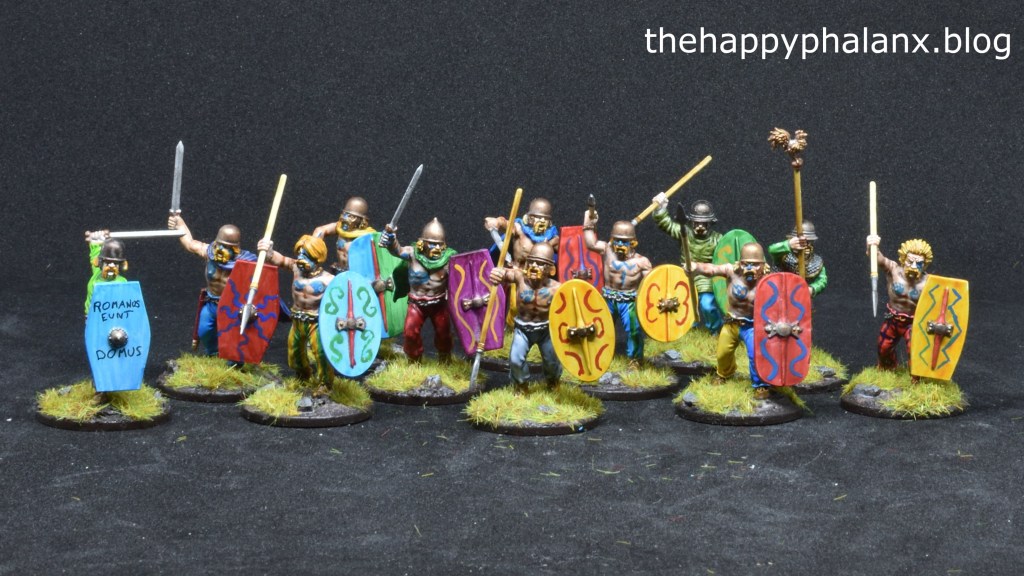
Regardless, whether you decide to strictly follow canon, or historical records, or just paint things however your heart desires, remember to have fun! It may sound cheesy, but that is why we do this hobby, because we enjoy it. I have been painting minis since the mid-1990s, and have some minis that are uniquely mine, and others that would be indistinguishable from almost everyone else’s collection (my stormtroopers come to mind…). I have also really come to enjoy the research aspect of historical gaming, delving deeper into various time periods of history that I have limited knowledge of. Over the last year I have learned a great deal about Syracuse, Carthage, Rome, the various groups collectively called the Gauls, and Japan. I have also had a great deal of fun, throwing little jokes into the minis I paint, whether it was and Roman Legionary painted as an Ultramarine form Warhammer 40K or the Gaulish warrior I painted with “Romanes eunt domus” on his shield (A reference to Monty Python’s Life of Brian). So, with those words of wisdom, I will leave you. Have fun!
 The Happy Phalanx
Leave a comment